Advanced Minimally Invasive
Spine Surgery
Innovative Spine Care for Lasting Relief
Page Navigation
Dr. Molloy’s Approach
Why It Matters
Procedures
Conditions Treated
Meet the Team
Contact
Dr. Molloy’s Approach to Spine Care
Treatment Plans as Unique as You.
When persistent neck or back pain limits your life, choosing the right spine specialist matters. Dr. Seth Molloy believes exceptional spine care begins with understanding the whole person, not simply reviewing imaging studies. Every spine condition is unique, and every patient deserves a treatment plan tailored to their diagnosis, lifestyle, goals, and long-term quality of life.
During each consultation, Dr. Molloy performs a comprehensive evaluation, carefully reviews your medical history and previous treatments, discusses how your symptoms affect your daily activities, and develops a personalized care plan designed specifically for you. His approach focuses on identifying the most effective solution while helping you make informed decisions every step of the way.
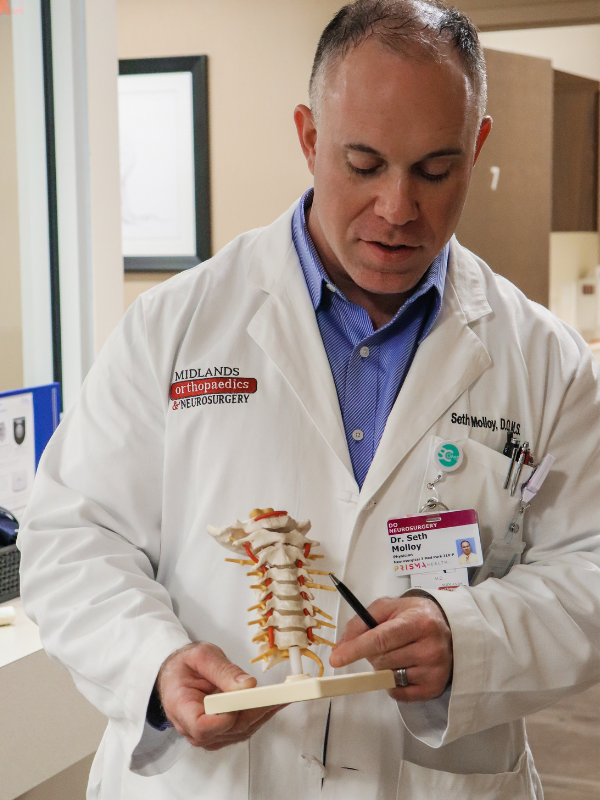
Whenever possible, conservative treatments such as physical therapy, medications, injections, and activity modifications are explored before surgery is recommended. If surgery becomes the best course of action, Dr. Molloy specializes in advanced minimally invasive spine surgery and motion-preserving procedures that are designed to relieve pain while minimizing disruption to healthy muscles and surrounding tissues. These innovative techniques may help reduce postoperative discomfort, shorten recovery time, and support a faster return to the activities you enjoy.
Why Minimally Invasive Spine Surgery Matters
Smaller Incisions. Less Tissue Damage. Faster Recovery.
Minimally invasive spine surgery (MISS) uses specialized instruments, advanced imaging technology, and small surgical incisions to treat many spine conditions while preserving healthy muscles and surrounding tissue whenever possible. Unlike traditional open surgery, these techniques are designed to reduce disruption to the body while achieving the same surgical goals.
Benefits of Minimally Invasive Spine Surgery
- Smaller incisions
- Less muscle and soft tissue damage
- Reduced blood loss
- Lower risk of infection
- Less postoperative discomfort
- Shorter hospital stays for many procedures
- Faster recovery when appropriate
- Earlier return to work and daily activities
While minimally invasive surgery offers many advantages, it is not appropriate for every patient. Dr. Molloy carefully evaluates each case to determine which treatment approach will provide the safest and most effective long-term outcome.
Cervical Disc Replacements
Minimally Invasive Lumbar Fusions/XLIF
SI Fusions
Advanced Spine Procedures
Dr. Molloy specializes in advanced spinal procedures utilizing modern techniques that prioritize precision, stability, and motion preservation whenever possible. Every recommendation is individualized based on your diagnosis, symptoms, anatomy, and lifestyle goals.
Cervical Disc Replacement (ACDA)
Preserve Motion While Relieving Pain
Anterior Cervical Disc Arthroplasty (ACDA), commonly known as cervical disc replacement, replaces a damaged cervical disc with an artificial implant designed to maintain natural neck movement.
Unlike traditional fusion, cervical disc replacement preserves motion while relieving pressure on spinal nerves or the spinal cord. For appropriately selected patients, this procedure may reduce stress on neighboring spinal levels and support a quicker return to normal activities.
Commonly Used For
- Cervical herniated discs
- Cervical radiculopathy
- Cervical myelopathy
- Degenerative disc disease
Cervical Fusion (ACDF)
Proven Stability When Fusion Is the Best Option
Anterior Cervical Discectomy and Fusion (ACDF) remains one of the most successful procedures for treating cervical nerve compression.
During surgery, the damaged disc is removed, pressure on the nerves is relieved, and the affected vertebrae are stabilized using a specialized implant and bone graft. While fusion limits motion at the treated level, it often provides excellent long-term pain relief and spinal stability. For many patients, ACDF can significantly reduce symptoms such as neck pain, arm pain, numbness, tingling, and weakness caused by compressed nerves. Dr. Molloy carefully evaluates each patient's condition to determine whether cervical fusion is the most effective option for achieving lasting relief and restoring quality of life.
Dr. Molloy recommends fusion only when it offers the best opportunity for lasting recovery.
Lumbar Disc Replacement (ALDR)
Motion Preservation for the Lower Back
Lumbar Disc Replacement removes a damaged lumbar disc and replaces it with an artificial implant designed to preserve normal spinal movement.
For carefully selected patients with degenerative disc disease, this procedure can relieve chronic lower back pain while maintaining motion and reducing stress on neighboring spinal segments.
Patients undergoing lumbar disc replacement often experience:
- Improved mobility
- Reduced chronic back pain
- Preservation of natural spinal movement
- Faster functional recovery compared to traditional fusion in appropriate candidates
Anterior Lumbar Interbody Fusion (ALIF)
Restoring Stability Through an Anterior Approach
Anterior Lumbar Interbody Fusion (ALIF) accesses the spine through the abdomen rather than the back, allowing Dr. Molloy to avoid disrupting major back muscles.
This approach provides excellent access to the damaged disc while allowing placement of larger implants that help restore spinal alignment, improve stability, and relieve nerve compression.
ALIF is commonly recommended for:
- Degenerative disc disease
- Spondylolisthesis
- Spinal instability
- Selected cases of scoliosis
Extreme Lateral Interbody Fusion (XLIF)
Minimally Invasive Fusion Through the Side of the Body
XLIF is an advanced minimally invasive lumbar fusion performed through a small incision in the patient's side.
By approaching the spine laterally, Dr. Molloy avoids cutting through the large muscles of the back, resulting in less tissue disruption and often a quicker recovery than traditional posterior approaches.
Benefits may include:
- Smaller incisions
- Reduced muscle trauma
- Less blood loss
- Shorter hospital stays
- Faster recovery for many patients
Minimally Invasive SI Joint Fusion
Lasting Relief for Sacroiliac Joint Pain
The sacroiliac (SI) joint can be a significant source of chronic low back and buttock pain.
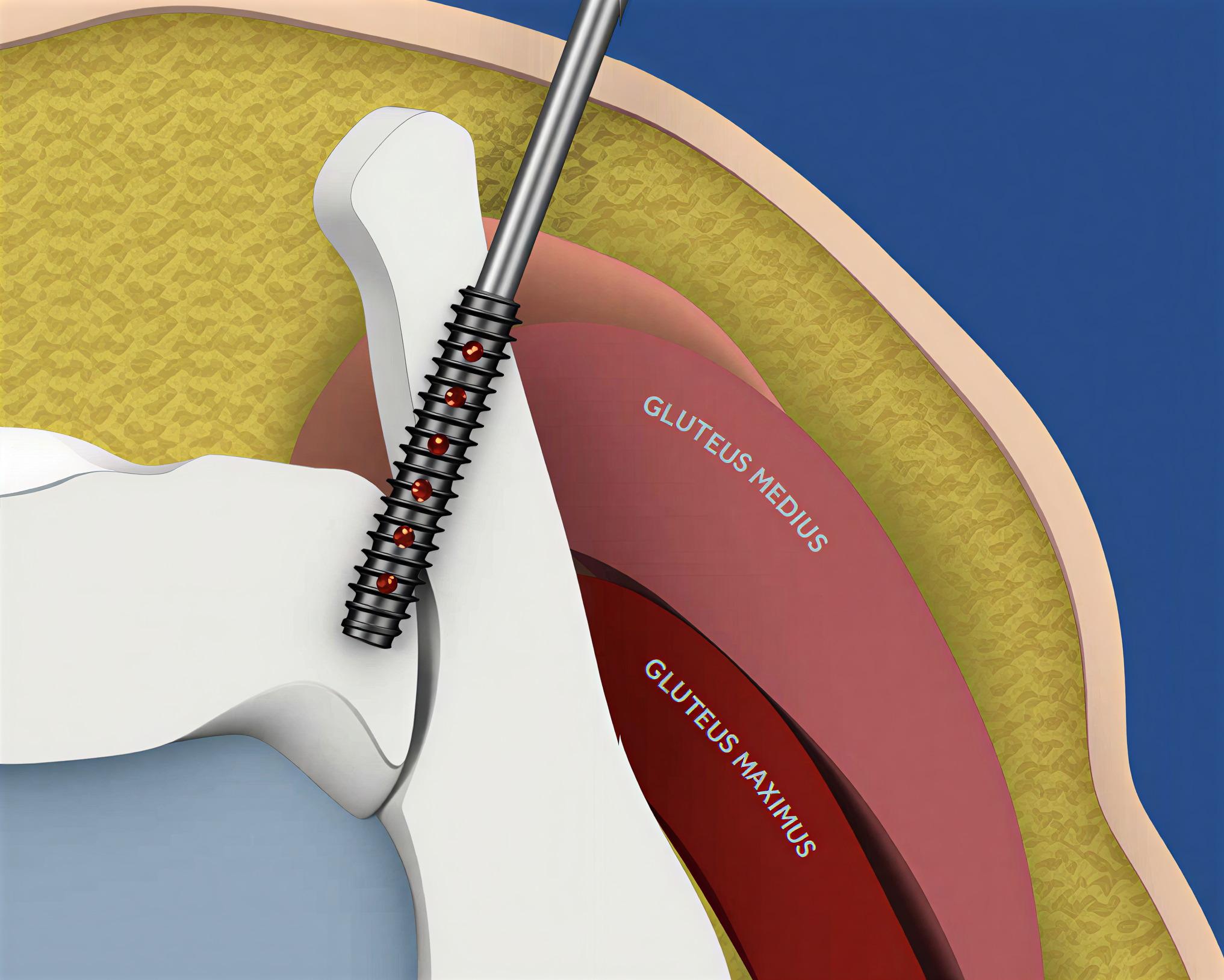
When conservative treatments fail, minimally invasive SI joint fusion stabilizes the joint through a small incision using specialized implants designed to reduce painful motion while encouraging natural bone healing.
Patients often benefit from:
- Outpatient surgery
- Smaller incisions
- Less tissue disruption
- Faster recovery
- Significant improvement in pain and function
Conditions Treated
Comprehensive Care for Neck and Spine Conditions
Whether you’ve already received a diagnosis or you’re searching for answers, Dr. Molloy provides comprehensive evaluations for a wide range of spinal conditions.
Cervical Conditions
The cervical spine, or neck, plays a vital role in supporting the head and protecting the spinal cord. Age-related changes, injury, or degeneration can lead to pain, stiffness, numbness, weakness, and reduced mobility. Dr. Molloy provides comprehensive evaluation and personalized treatment options for a wide range of cervical spine conditions, utilizing conservative care whenever possible and advanced minimally invasive surgical solutions when appropriate.
Space
- Cervical Degenerative Disc Disease – Age-related wear of the cervical discs that can cause chronic neck pain, stiffness, and reduced flexibility.
- Cervical Herniated Disc – A damaged or bulging disc that places pressure on nearby nerves, often causing neck pain, arm pain, numbness, or weakness.
- Cervical Radiculopathy (Pinched Nerve) – Compression or irritation of a cervical nerve root that can radiate pain, tingling, numbness, or weakness into the shoulder, arm, or hand.
- Cervical Myelopathy – Compression of the spinal cord in the neck that may affect balance, coordination, hand function, and overall mobility if left untreated.
- Cervical Spinal Stenosis – Narrowing of the spinal canal in the neck that places pressure on the spinal cord or nerves, often resulting in pain, numbness, weakness, or difficulty walking.
Lumbar Conditions
The lumbar spine, or lower back, supports much of your body’s weight while allowing you to bend, lift, and move comfortably. Injury, aging, or degenerative changes can lead to persistent back pain, leg pain, numbness, and reduced mobility. Dr. Molloy provides comprehensive evaluations and personalized treatment plans designed to relieve pain, restore function, and help patients return to their daily activities.
Space
- Lumbar Degenerative Disc Disease – Wear and tear of the lumbar discs that can cause chronic lower back pain, stiffness, and decreased flexibility.
- Lumbar Herniated Disc – A damaged or bulging disc in the lower back that compresses nearby nerves, often resulting in back pain, leg pain, numbness, or weakness.
- Lumbar Radiculopathy (Sciatica) – Compression of a lumbar nerve root that causes pain, tingling, numbness, or weakness radiating from the lower back into the buttock and down the leg.
- Lumbar Spinal Stenosis – Narrowing of the spinal canal in the lower back that places pressure on the spinal nerves, often causing leg pain, numbness, weakness, or difficulty walking.
- Spondylolisthesis – A condition in which one vertebra slips forward over another, leading to spinal instability, lower back pain, and nerve compression.
Sacroiliac Conditions
The sacroiliac (SI) joints connect the spine to the pelvis and play an important role in transferring weight and maintaining stability during movement. Dysfunction or degeneration of these joints can be a significant source of chronic lower back, buttock, and hip pain. Dr. Molloy carefully evaluates SI joint disorders to determine the most appropriate treatment, from conservative therapies to minimally invasive surgical solutions when necessary.
space
- Sacroiliac (SI) Joint Dysfunction – Abnormal movement or inflammation of the SI joint that causes pain in the lower back, buttocks, hips, or upper legs.
- Degenerative Sacroiliitis – Degeneration or arthritis of the SI joint that leads to chronic pain, stiffness, and reduced mobility, particularly during standing or walking.
Additional Conditions
In addition to common cervical, lumbar, and sacroiliac disorders, Dr. Molloy evaluates and treats a wide range of complex spinal conditions. Every patient receives a thorough assessment to determine the underlying cause of their symptoms and develop an individualized treatment plan focused on restoring comfort, function, and quality of life.
space
- Spinal Instability – Excessive movement between vertebrae that can cause chronic pain, nerve compression, and reduced spinal function.
- Spinal Trauma – Injuries to the spine resulting from accidents, falls, or sports-related incidents that may require specialized evaluation and treatment.
- Spinal Tumors – Benign or malignant growths affecting the spine that can cause pain, neurological symptoms, or spinal instability.
- Chronic Neck Pain – Persistent neck pain lasting several weeks or longer, often caused by degenerative changes, nerve compression, injury, or other spinal conditions.
- Chronic Back Pain – Ongoing lower or upper back pain that interferes with daily activities and may result from disc disease, arthritis, spinal instability, or other underlying conditions.
Experienced. Accessible. Affordable.
The Pioneering Team Behind Your Spine Care
First surgeon to perform Endoscopic Spine surgery in Columbia, SC|First surgeon to perform Lumbar Disc replacement in Columbia, SC|First surgeon to perform FDA-approved 2-level Lumbar disc replacement in SC|First surgeon to perform cervical disc replacement in SC with Globus Simplify Artificial Disc System|First surgeon to perform minimally invasive SI joint fusion with Medtronic Rialto System
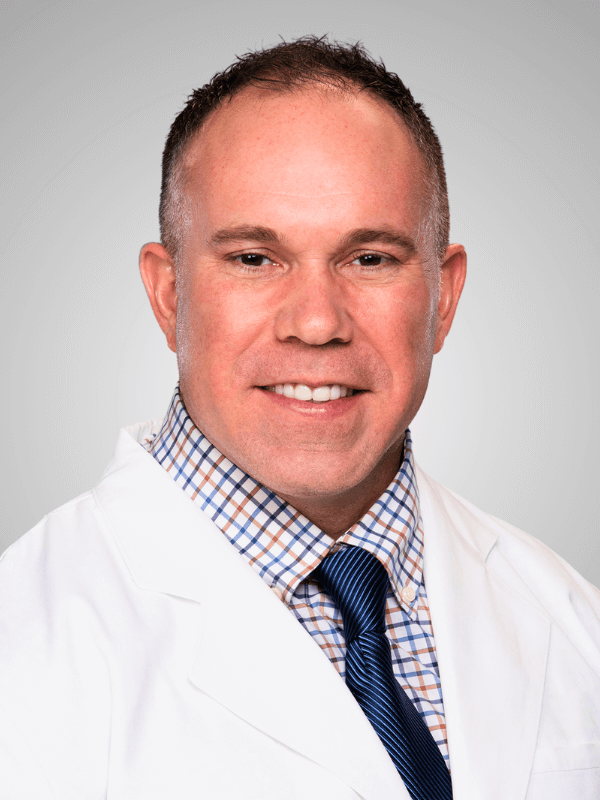
Seth Molloy DO, MS, FACOS